



Paintless dent repair is a popular option for restoring a vehicle’s appearance without sanding, filling or repainting the damaged area. This repair method can be an excellent solution for many minor dents and dings, but it is not suitable for every type of damage. Understanding which dents may not qualify for paintless dent repair can help you make an informed decision about your vehicle’s repair needs.
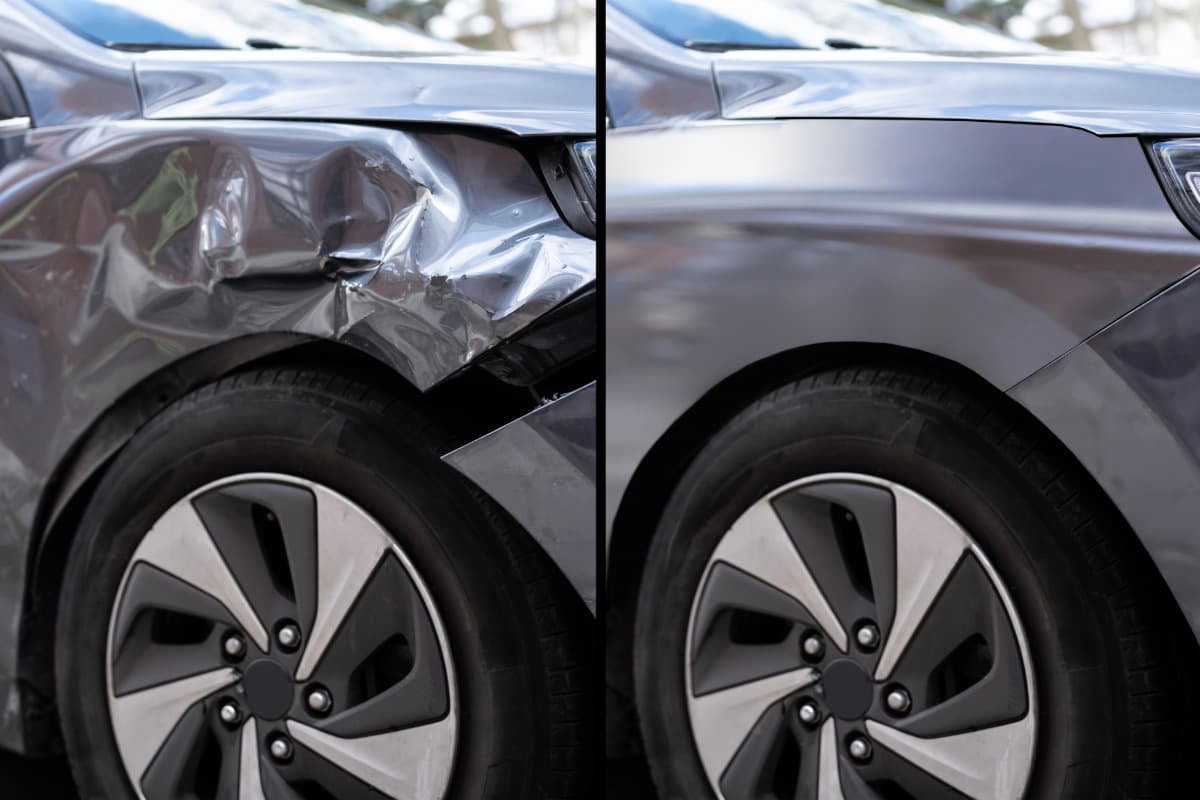
At Performance Auto Body, we help drivers explore repair options based on the condition of their vehicles and the extent of the damage. Here are several factors that can determine whether paintless dent repair near Elmhurst is the right choice for your car.
How Does Paintless Dent Repair Work?
Paintless dent repair, also known as PDR, uses specialized tools and techniques to carefully reshape damaged metal from behind the affected panel or through other appropriate access points. The goal is to restore the panel’s original contour while preserving the existing factory paint.
This process works best when the paint remains intact and the metal can be reshaped without compromising the panel. However, the location, depth and characteristics of a dent can influence the results. A professional assessment helps determine whether PDR is appropriate or whether another collision repair method would be a better fit.
Deep Dents That Stretch the Metal
The depth of a dent is one factor technicians consider when evaluating paintless dent repair. Shallow dents are often good candidates because the metal may be restored to its original shape without excessive stress.
Deep dents can be more challenging, particularly when the impact has stretched the metal significantly. Excessively stretched metal may not return to its original contour through PDR alone. Depending on the severity of the damage, traditional body repair or panel replacement may be necessary.
Dents With Chipped, Cracked or Peeling Paint
Preserving the original paint is one of the primary advantages of paintless dent repair. When the paint is already chipped, cracked or peeling, however, the repair may require additional work.
An impact that damages both the metal and the paint may need conventional collision repair, which can involve surface preparation, body filler when appropriate, primer and refinishing. A technician can inspect the affected area to determine whether PDR is still a suitable option or whether a more comprehensive repair will produce a better result.
Sharp Creases and Complex Body Line Damage
Not all dents have the same shape. Rounded dents on relatively flat surfaces may be easier to repair than sharp creases or damage that runs along a pronounced body line.
Body lines are the sculpted contours that give a vehicle its distinctive appearance. When an impact distorts one of these lines, restoring the original shape can require greater precision. Some creases can be repaired with paintless dent repair, while others may be too severe or complex for this method alone.
The final recommendation depends on the extent of the distortion, the condition of the metal and the accessibility of the damaged area.
Dents Near Panel Edges or Reinforced Areas
The location of a dent can also affect repairability. Damage near the edge of a door, hood or other body panel may be difficult to access with specialized PDR tools. Reinforcements, braces and other components behind the exterior panel can create additional challenges.
Limited access does not automatically mean paintless dent repair is impossible. Experienced technicians evaluate the panel’s construction and available access points before recommending a repair approach.
When is Traditional Collision Repair the Better Option?
Paintless dent repair is not always the best solution, and choosing the appropriate method is important for achieving a quality result. Traditional collision repair may be recommended when damage involves compromised paint, severely distorted metal or other structural and panel-related concerns.
In some cases, a combination of repair techniques may be appropriate. The best approach depends on the vehicle, the damaged area and the overall condition of the panel.
Schedule a Paintless Dent Repair Assessment with Performance Auto Body
Every dent is different, so it is difficult to determine whether paintless dent repair is suitable based on appearance alone. A professional inspection can help identify the extent of the damage and establish the most appropriate repair plan.
At Performance Auto Body, we are committed to helping drivers understand their collision repair options and find solutions that suit their vehicles. Whether your car has a small parking lot ding or more noticeable body damage, our team can help you explore the next steps.
Contact Performance Auto Body to discuss your vehicle’s damage and learn more about available repair options. We can help you determine whether paintless dent repair is the right choice or whether another repair method may better restore your vehicle’s appearance. Call us today at 847-455-5511 or request a free estimate!

